Just How a Landlord Lawyer Can Aid You Browse Difficult Occupant Disputes
Maneuvering renter disputes can be a facility and intimidating task for landlords. Issues such as non-payment, lease violations, and even the eviction process typically require a nuanced understanding of landlord-tenant regulations. A property owner attorney supplies important knowledge in these scenarios. They examine conflicts, supply tactical services, and assurance compliance with lawful demands. Nevertheless, understanding when to seek their help can be crucial. The next actions can substantially influence the end result of any kind of conflict.
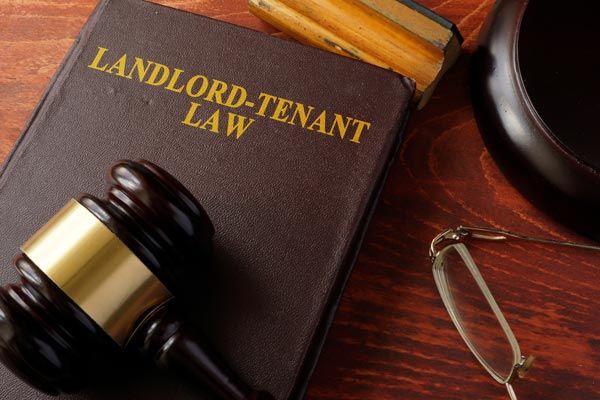
Recognizing Landlord-Tenant Legislation
Recognizing landlord-tenant regulations is vital for both renters and property owners to browse their rights and responsibilities effectively. These legislations vary by jurisdiction yet normally detail the responsibilities of each party pertaining to residential property maintenance, rent out settlement, and eviction processes. Landlords should give habitable living problems and respect occupants' privacy, while tenants are called for to pay rent on time and preserve the residential property. Knowledge with these laws assists protect against disputes and advertises unified relationships. In addition, knowledge of renter securities, such as security down payment laws and anti-discrimination regulations, can empower tenants. For property managers, comprehending lawful recourse in case of lease infractions is vital. In general, a solid grasp of landlord-tenant laws promotes a balanced and fair rental experience for both events entailed.
Evaluating the Nature of the Conflict
When a disagreement arises in between a property owner and renter, examining the nature of the problem is necessary for identifying the suitable course of action. Disagreements can vary from lease violations, property upkeep problems, to arguments over security down payments or expulsion procedures. Each type of dispute needs a customized method. A detailed analysis includes event relevant documents, such as lease agreements and communication records, to establish the realities. In addition, comprehending the inspirations and issues of both celebrations can provide understanding into possible resolutions. This foundational assessment is important, as it informs the landlord's lawyer on exactly how to best supporter for their customer, making certain that the landlord's rights are safeguarded while aiming for a fair outcome.
Strategies for Resolving Non-Payment Issues
Countless approaches exist for landlords to attend to non-payment issues efficiently. Initially, open interaction is important; landlords should get to out to renters to understand their economic circumstance. Flexible layaway plan can be supplied, enabling tenants to pay past due rental fee in workable installations. Additionally, proprietors might take into consideration providing incentives for prompt repayments in the future, such as discount rates or forgoing late fees. Recording all interactions and agreements is crucial for legal security and clarity. If needed, landlords can seek mediation services to facilitate discussions. Eviction Lawyer For Landlords. Ultimately, if these strategies fail, pursuing legal action may be warranted, however it must be considered as a last option. By using these approaches, proprietors can possibly fix non-payment problems amicably and successfully
Attending To Lease Violations Effectively
Resolving lease infractions requires a clear understanding of what comprises a breach of the rental arrangement. Determining particular lease violations is necessary for property managers to take proper activity. In addition, exploring the lawful remedies offered can help guarantee that proprietors safeguard their legal rights successfully.
Determining Lease Violations
Determining lease infractions is important for maintaining an unified landlord-tenant connection. Landlords should routinely evaluate lease contracts and keep track of occupant behavior to ensure conformity with well established terms. Typical violations consist of unapproved pet dogs, late lease payments, residential property damage, and subletting without approval.
An eager eye for information allows proprietors to spot these issues early, helping with prompt resolution. Recording infractions via photographs, composed notifications, and correspondence can supply important proof if conflicts develop. Open up interaction with tenants regarding assumptions and concerns likewise plays a vital role in identifying problems before they escalate. By resolving violations promptly and fairly, property managers can foster trust and participation, inevitably adding to an extra favorable rental experience for both events.
Legal Solutions Readily Available
When lease violations happen, property owners have several legal treatments offered to address these concerns properly. One usual solution is providing an official notice to the occupant, describing the details offense and providing a timeframe for improvement. If the renter falls short to conform, proprietors may go after expulsion process, relying on neighborhood laws. In addition, property owners can look for monetary damages for any financial losses incurred due to the offense. Mediation is another choice, permitting both parties to work out a resolution without lawsuits. Landlords may also take into consideration lease termination if offenses are extreme or repetitive. Consulting a proprietor lawyer can offer assistance on the very best strategy, making sure that all solutions line up with relevant regulations and laws.
The Eviction Process and Lawful Considerations
Although the eviction process can differ substantially by jurisdiction, it typically follows an organized lawful framework that property owners have to abide by in order to shield their legal rights. Property managers have to offer renters with a proper notice, specifying the reason for eviction and giving them a marked duration to correct the circumstance or vacate the facilities. If the occupant fails to comply, property managers can submit an eviction claim in the proper court. Upon receiving a judgment, property managers might obtain a writ of ownership, enabling them to redeem their home. It is crucial for property owners to understand local regulations and laws regulating the expulsion procedure, as improper procedures can cause hold-ups or termination of the instance, jeopardizing their capability to regain property.
Documentation and Record Keeping
Efficient documentation and record keeping are essential for proprietors handling occupant disputes. Exact records supply a clear timeline of occasions, including interaction, lease contracts, and settlement backgrounds. This information can be very useful in fixing disputes and demonstrating compliance with legal obligations. Landlords must preserve detailed notes on lessee communications, including any type of complaints, upkeep requests, and feedbacks. Keeping copies of all communication, such as letters and e-mails, warranties that there is a trustworthy referral for any kind of problems that might occur. Additionally, pictures of residential property problems can act as essential evidence in disagreements. By methodically arranging these documents, proprietors can effectively support their position and browse difficulties with confidence, therefore decreasing misunderstandings and promoting a much more positive landlord-tenant relationship.
When to Look For Legal Representation
At what point should a property owner take into consideration seeking lawful depiction for lessee disagreements? When disputes rise past straightforward disagreements, landlords must contemplate lawful support. Situations such as non-payment of rent, lease infractions, or damages to property might require expert intervention - Eviction Lawyer For Landlords. When communication with the renter breaks down or comes to be unproductive, a lawyer can provide quality and strategy. In addition, if the property manager anticipates eviction proceedings or potential litigation, appealing legal guidance is necessary to guarantee compliance with regional laws. Furthermore, landlords facing harassment insurance claims or discrimination allegations must look for immediate legal assistance to secure their interests and rights. Inevitably, very early appointment with an attorney can assist mitigate dangers and promote a much more desirable resolution
Often Asked Concerns
Just How Much Does Working With a Landlord Lawyer Usually Price?

Can a Landlord Lawyer Represent Me in Small Claims Court?
Yes, a property owner lawyer can stand for customers in tiny insurance claims court (Bay Area Landlord Rights). Their expertise helps guarantee correct legal procedures are followed, enhancing the probability of a beneficial outcome in disagreements with renters over different problems
What Certifications Should I Seek in a Property owner Attorney?
When seeking a proprietor lawyer, one should prioritize credentials such as pertinent lawful experience, field of expertise in landlord-tenant law, favorable client testimonials, strong arrangement skills, and knowledge with local guidelines and court procedures.
How much time Does the Eviction Process Normally Take With Legal Aid?

The eviction process generally takes in between 3 to 6 weeks with lawful assistance, depending upon neighborhood legislations, court routines, and the intricacy of the situation, making sure a much more reliable resolution for property managers facing occupant disagreements.

What Should I Bring to My Very First Satisfying With a Landlord Attorney?
For the first meeting with a property manager lawyer, one must bring pertinent papers such as lease arrangements, communication with occupants, expulsion notices, and any kind of evidence related to the conflict to assist in an effective discussion. (San Jose Rental Property Legal Advice)
Maneuvering occupant disagreements can be a facility and frightening task for property managers. When a dispute arises in between a landlord and renter, reviewing the nature of the problem is necessary for identifying the suitable course of activity. If the tenant fails to conform, landlords may seek eviction procedures, depending on neighborhood legislations. Effective documentation and record keeping are important for landlords taking care of renter conflicts. At what point should a property owner take into consideration looking for legal depiction for tenant disputes?